

Three Times Sepsis: What Death Taught Me About Living
The cold started on Christmas Day 2015. I had no idea it would nearly kill me. Just a cold, I told myself. Nothing serious. By January, it had morphed into bronchitis that wouldn’t quit. Then came the abscess—the size of a grapefruit—and I was still trying to treat it at home with natural remedies.
On February 1, 2016, I finally went to the emergency room. Within two hours, they’d diagnosed me and I was admitted. That evening, I was in the operating room. When the nurses told me I was septic, I completely lost it.
Because sepsis—the very illness that had killed my husband seven years earlier—was now trying to take me too.
I’ve walked through death’s door three times. In 2016. In 2020, twice. Each time, sepsis tried to take me just like it took James in 2009. Most people don’t survive sepsis once. I’ve survived it three times. Furthermore, each time I came back, I learned something profound about what it means to truly live.
What Is Sepsis?
Sepsis is your body’s overwhelming and potentially fatal response to infection. When your immune system goes into overdrive fighting an infection, it can start attacking your own tissues and organs instead. Think of it as friendly fire in the war against infection—your body’s defense system becomes its own worst enemy.
Why This Matters
The statistics are sobering: sepsis kills more people annually than breast cancer, prostate cancer, and AIDS combined. It’s one of the leading causes of death in hospitals. Additionally, every hour of delay in treatment increases mortality risk by 7.6%.
Warning Signs Everyone Should Know
- High fever or very low body temperature
- Rapid heart rate
- Rapid breathing or shortness of breath
- Confusion or disorientation
- Extreme pain or discomfort
- Clammy or sweaty skin
If you suspect sepsis, get to an emergency room immediately. Time is measured in minutes, not hours.
These were the signs I missed with James. Or more accurately, the signs we didn’t understand until it was too late. What we thought was just allergies—watery eyes, a runny nose—was actually the beginning of his body’s catastrophic response to infection.
The Loss That Changed Everything: James, 2009
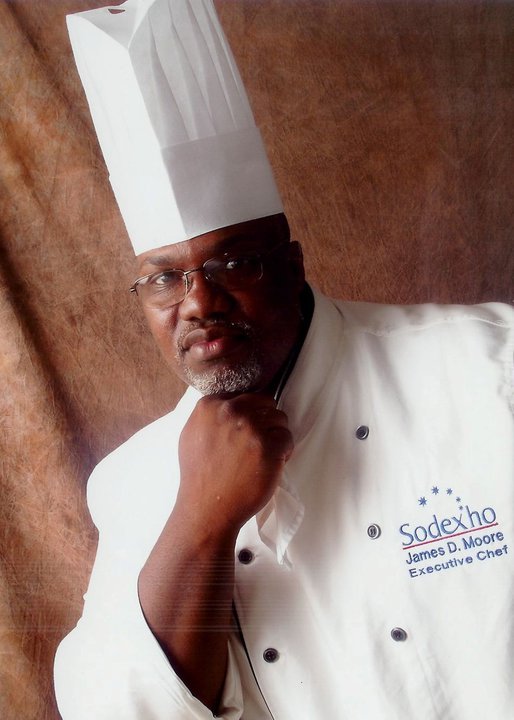 My husband James and I connected in 1998 on New Years Eve. We got married on February 27th, the following year. God put us on a fast track—we crammed a lifetime of love into ten extraordinary years.
James was an executive chef Monday through Friday, but on weekends he pursued his true passion: photography.
The Weekend That Changed Everything
I owned a wedding and event planning business in Savannah. James worked as a photographer on the weekend with me. We were each other’s best friend and were always together if James wasn’t at his Monday-Friday job.
This particular weekend in early May 2009 was filled with so much love. On Sunday, May 3rd, I officiated a wedding ceremony. James had been complaining of what we thought were allergy symptoms—watery eyes, runny nose—but we pushed through our full schedule of meetings, weddings, and dinners with friends.
During that Sunday ceremony, something extraordinary happened. I remember looking at James. Our eyes locked and we both had tears streaming down our faces. This was the first time this had ever happened to me during a ceremony. I had to regain my composure to finish my clients’ ceremony. I don’t know why it happened, but perhaps our hearts knew what was coming.
We got home from our events that evening. James took a shower and discovered he had a fever. I started alternating Tylenol and Advil every four hours. I begged him to let me take him to the emergency room immediately, but he insisted on waiting. “We’ll see our primary care doctor first thing in the morning,” he said. His fever finally broke at 2:00 AM.
Two things have haunted me ever since: not insisting he go to the hospital that Sunday night, and the survivors’ guilt that followed.
Monday Morning: When Everything Fell Apart
We got up around 6:00 AM Monday to get ready for the doctor’s office. Within an hour of getting up, James was vomiting and had diarrhea. He was so weak I had to call EMS to transport him.
In the emergency room, they told us he had an infection in his blood. James started losing feeling in his legs. He kept telling me he couldn’t see. By 4:00 PM, they moved him to ICU. Because they’d prepared a sterile environment, I couldn’t go in with him which devastated me. I kissed him on his forehead as they wheeled him away.
I never dreamed that would be our last kiss. The last time I would see him alive.
The Call at 2:00 AM
The attending physician made it clear that James’s prognosis wasn’t good. If he survived, he might have brain damage. The quality of his life would be severely diminished. It was going to be a long night, touch and go. He advised me to go home and rest, promising they’d call if anything changed.
I remember going home feeling scared, broken, and shattered. I took a shower and somehow fell asleep praying and hugging James’s picture.
The call came around 2:00 AM on Tuesday, May 5th. James was slipping away.
I jumped out of bed and got dressed as fast as I could, praying the entire time for a miracle. When I got the call, I felt like someone had pulled the rug right out from under me while I was walking. I knew he was gone by the time I got to the hospital because I heard birds chirping. Birds don’t chirp at 3:00 AM.
My angel, my love, my soulmate—gone at 43 years old.
Him passing away broke and crushed something inside of me. We had been married for ten years and thought we had forever to go. The most perplexing thing was that in spite of him not feeling well, we had one of the most amazing weekends together. That moment during the ceremony when our eyes locked and tears fell—perhaps our hearts knew we were saying goodbye.
I didn’t learn the cause of death until two days later when our primary care physician called. James had died from Meningococcal meningitis that had progressed to sepsis. It was the first time I’d ever heard the word “sepsis.”
Unfortunately, it wouldn’t be my last.
The First Time: 2016 – Seven Years After Losing James
That Christmas cold in 2015 was actually my body’s first warning. The bronchitis I fought all through December and January. The grapefruit-sized abscess I tried to treat with natural remedies because they’d worked before. I was in denial, pushing through like I always did.
By the time I got to the emergency room on February 1, 2016, my body was in crisis. They diagnosed me within two hours and admitted me immediately. That evening, I was in surgery.
When the nurses informed me I was septic, terror flooded through me. My husband had died from sepsis. Surely, I was going to lose my life to it as well.
Nine days in the hospital. Surgery. A PICC line. Then fifteen days at home connected to an infusion pump that administered high doses of antibiotics 24/7. My kidneys had started to fail and shut down. My blood sugar shot through the roof. My blood count was totally abnormal. The fevers, chills, diarrhea, and depression were relentless. The pain was the worst I’d ever experienced.
All I can say is: But God.
However, survival came with a cost. My body was never the same. The recovery was long, painful, and left me questioning everything about how I’d been living. For sixteen years as a caregiver, I’d treated my body like a tool—something to be used in service of everyone else. Sepsis forced me to reckon with the price I’d been paying.
The Second and Third Times: 2020 – When Death Came Knocking Twice
August 2020: Round Two
We were home in the middle of COVID-19 when it started. An abscess developed. I recognized the warning signs this time—when the fever started and wouldn’t break, when the abscess became hot to touch and painful, I knew.
This was particularly heartbreaking because I had just started a wellness tea business in late June 2020 to help people heal from COVID. I was trying to help others heal while my own body was breaking down again. The irony wasn’t lost on me.
The Complication
During recovery, I noticed my ankle started to swell. Initially, I thought it was a side effect of one of the medications. The swelling in my ankle went down, but then my right great toe became inflamed. I noticed it had an open wound.
This developed into osteomyelitis—a bone infection. The doctor did everything possible to save my toe, but it was too late. We were faced with a difficult decision: aggressive treatment with uncertain outcomes, or amputation to prevent losing my entire right foot.
I chose amputation. I didn’t want to wait and possibly lose my foot. The decision was swift, but the emotional weight of it lingered.
October 2020: Round Three
Just two months later, sepsis came for me again.
By this point, I felt deflated—like my life was slipping away in pieces. The physical toll was immense. The emotional exhaustion was overwhelming. Yet somehow, there was still the resolve to fight. Still the determination to live.
Three times. I’d walked through death’s door three times. Furthermore, each time, I chose life. But by the third time, something fundamental had shifted. I couldn’t just choose to survive anymore. I had to choose to LIVE—fully, intentionally, and no longer in service to everyone but myself.
What Death Taught Me About Living
Lesson 1: Your Body Is Not Optional
For sixteen years as a caregiver, my body was a tool for serving others. Through sepsis, my body became a battlefield. But survival taught me something crucial: my body is neither a tool nor a battlefield.
It’s a temple.
Sepsis forced me to pay attention in ways I’d been avoiding for years. You can’t ignore your body when it’s shutting down. You can’t push through when your organs are failing. Moreover, you can’t treat it as expendable when it’s literally fighting for its life.
I had to learn—am still learning—to treat my body with the reverence it deserves. Not as something to be used up, but as something to be stewarded with wisdom and care.
Lesson 2: Rest Is Not a Luxury—It’s Survival
Sepsis doesn’t care about your to-do list. It doesn’t care about deadlines, obligations, or who needs you. It will force you to rest whether you choose it or not.
During each recovery, I had no choice but to surrender to rest. My body demanded it. There was no hustling my way back to health, no pushing through the exhaustion. Consequently, my body would shut down completely if I didn’t honor its need for stillness.
This is what taught me about true Sabbath rest. Rest isn’t something you earn after you’ve done enough. It’s not a reward for productivity. Instead, rest is a requirement for survival. It’s how your body heals. It’s how your soul restores itself.
I learned that rest is not a luxury reserved for when everything else is done. Rest is the foundation upon which everything else must be built.
Lesson 3: Choosing Life Means Choosing Yourself
Each time I survived sepsis, I faced a choice. Not just “Do I want to live?” but “HOW do I want to live?”
After the first time, I went back to my old patterns. Caregiving. Pushing. Sacrificing. After the second time in 2020, I started to question those patterns. By the third time, I couldn’t go back anymore. Something had fundamentally shifted.
I realized that choosing life meant choosing to live for myself, not just for everyone else. It meant actively choosing embodiment over dissociation. Choosing sovereignty over servitude. Furthermore, it meant choosing myself as worthy of the same care I’d given to everyone else.
This wasn’t selfishness. This was survival. This was finally understanding that I couldn’t love others well while abandoning myself completely.
Lesson 4: You Can’t Pour From Empty—And Empty Will Kill You
My body broke down because I’d been running on empty for years. Sixteen years of caregiving. Sixteen years of giving everything away. Sixteen years of treating my own needs as optional while everyone else’s needs were urgent.
Sepsis was my body’s way of screaming: “ENOUGH. You can’t keep sacrificing me for everyone else.”
This is why I’m so adamant now about teaching women that self-care isn’t selfish—it’s stewardship. You cannot pour from an empty cup. Additionally, if you keep trying, eventually your body will stop you. Sometimes permanently.
The cost of chronic depletion isn’t just exhaustion or burnout. The cost can be your life.
Lesson 5: There Is Life After Death
I’m not the same woman who survived sepsis in 2016. Or 2020. Or 2020 again. Each time I walked through death’s door, something of the old Karen stayed behind. And something new emerged.
This is what I mean when I talk about becoming. Not just surviving, but being transformed through the fire. Dying to old patterns. Emerging into new ways of being.
I grieve the woman I was before sepsis. However, I also honor what she survived and what she learned. There is life after death—literal and metaphorical. You can be reborn into a fuller version of yourself, even through trauma. Maybe especially through trauma.
Living Fully Present Now
At 57, I’m finally learning what it means to live fully present in a body I’m stewarding, not sacrificing. To build my life from rest, not depletion. To treat my body as the temple it is (1 Corinthians 6:19), not as a tool for serving others.
This is why I teach embodiment. This is why I teach the sovereign soft life. This is why I’m so passionate about Sabbath rest, boundaries, and building Kingdom businesses that serve your life instead of consuming it.
Because I know—viscerally, painfully, undeniably—what happens when you don’t.
I know what it feels like to have your kidneys shut down because you pushed too hard for too long. I know what it means to lose someone you love to an illness you didn’t understand until it was too late. I know the terror of facing that same illness yourself, not once, but three times.
And I know the fierce, hard-won joy of choosing to live differently on the other side.
For Sepsis Survivors
If you’re reading this as a sepsis survivor, I see you. I know the fear doesn’t just go away. I know you scan your body constantly for warning signs—every fever, every rapid heartbeat, every moment of confusion sends you spiraling back to those hospital rooms.
I know you’re different now. Your body is different. Your relationship to your mortality is different. You’re grieving the person you were before, even as you’re grateful to be alive.
You’re not alone. Recovery is long. The trauma is real. The fear of recurrence is valid. Furthermore, becoming whole again is possible—even if you’re not the same person you were before. Maybe especially because you’re not.
Post-sepsis syndrome is real. The fatigue, the cognitive difficulties, the emotional aftermath—all of it is real. Give yourself permission to heal at your own pace. Seek support. Find community. And know that there are others of us walking this road with you.
Resources for Survivors:
For Caregivers
If you’re reading this as a caregiver running on empty, please hear me: Your body will only take so much. You cannot pour from empty. You cannot love others well if you’re sacrificing yourself completely to do it.
Choosing yourself isn’t selfish. It’s survival. And sometimes, it’s literally the difference between life and death.
I spent sixteen years as a caregiver before my body forced me to stop. I lost my husband to sepsis while I was caring for him. Then I nearly lost my own life to the same illness—three times—because I continued the pattern of self-abandonment.
Please don’t wait until your body shuts down to start honoring your needs. Don’t wait until it’s an emergency to implement boundaries. Don’t wait until you’re in crisis to prioritize rest.
Your loved ones need you alive more than they need you depleted.
Final Thoughts
I didn’t survive sepsis three times to go back to survival mode. I survived to learn how to LIVE—fully embodied, fully present, fully sovereign.
Your body is not optional. Your rest is not negotiable. Your life is not meant to be spent in depletion.
Death taught me that life is precious, fragile, and too short to spend it abandoning yourself for everyone else. It taught me that my body isn’t just a vehicle for doing—it’s the sacred space where I actually experience being alive.
It taught me that choosing life means choosing yourself. Not instead of others. But alongside them. As equally worthy. As equally deserving of care, rest, and reverence.
If my story resonates with you—if you’re rebuilding after trauma, exhausted from caregiving, or ready to finally choose yourself—I want you to know: transformation is possible. Healing is possible. Living fully present in your body is possible.
And you don’t have to walk through death’s door to claim it.
Sorrowful times don’t just build faith, they first reveal it.
Walking through sepsis three times revealed what was already in me—the choice to keep choosing life, even when death felt closer. The faith wasn’t built in the hospital. It was revealed there.
Connect with Me
Ready to begin your healing journey? Explore my work and learn more about embodied living, Sabbath rest, and the sovereign soft life at Work With Me.
Are you a sepsis survivor? I’d love to hear your story. You can reach me at [email protected]. You are not alone.
Related Posts
- I’ve Never Lived in a Body That Was My Sanctuary (Until Now)
- What 16 Years of Caregiving Taught Me About Boundaries
- At 57, I’m Finally Choosing Myself
For more information about sepsis awareness, prevention, and support, visit Sepsis Alliance and consider sharing your story to help save lives.